Maju Forest Singapore Guide: Everything About the Housing Proposal and Nature Conservation
Maju Forest has become one of Singapore’s most talked about green areas after the announcement to transform a portion of it into a residential estate for the public. The plan has led to a wide range of discussions among Singaporeans as well as environmental groups and conservationists on how Singapore can manage its ever-growing demand for housing while protecting its precious natural habitats.
What is Maju Forest?
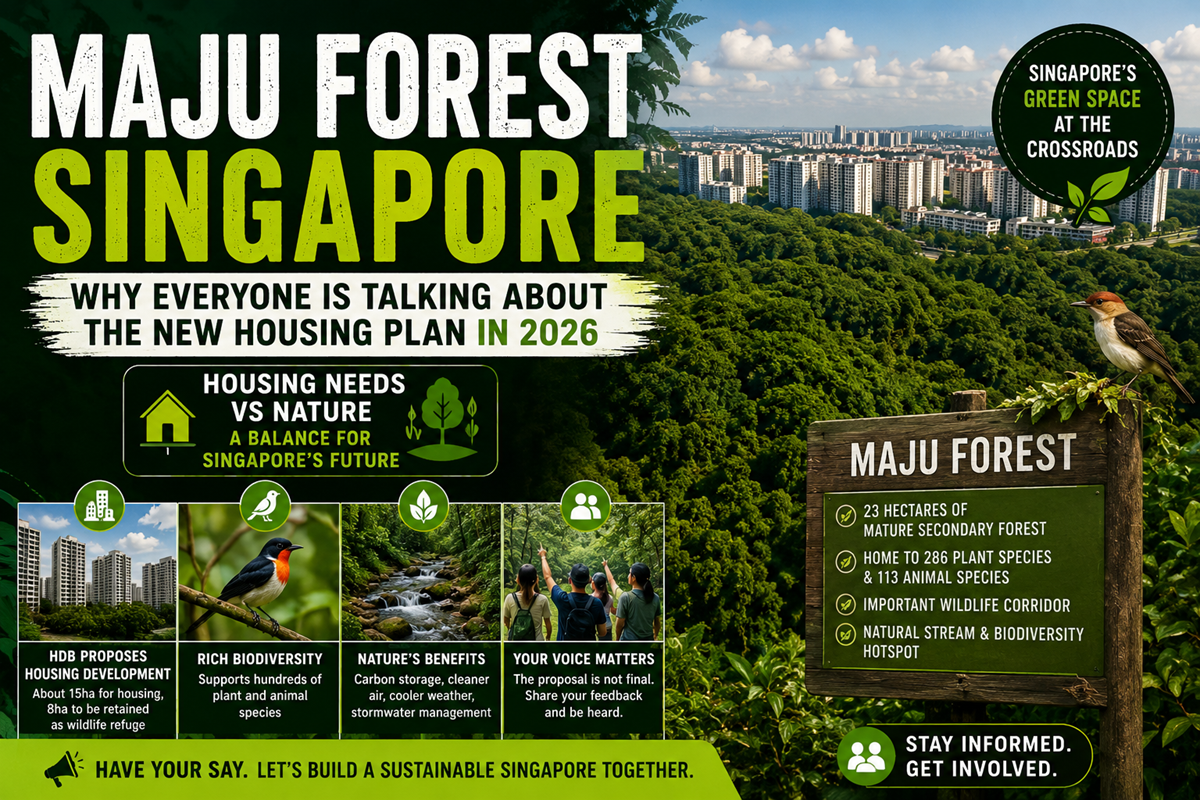
Maju Forest is a 23-hectare secondary forest that is mature and located close to Sunset Way, between Clementi Road and Brookvale Drive in the western region of Singapore.
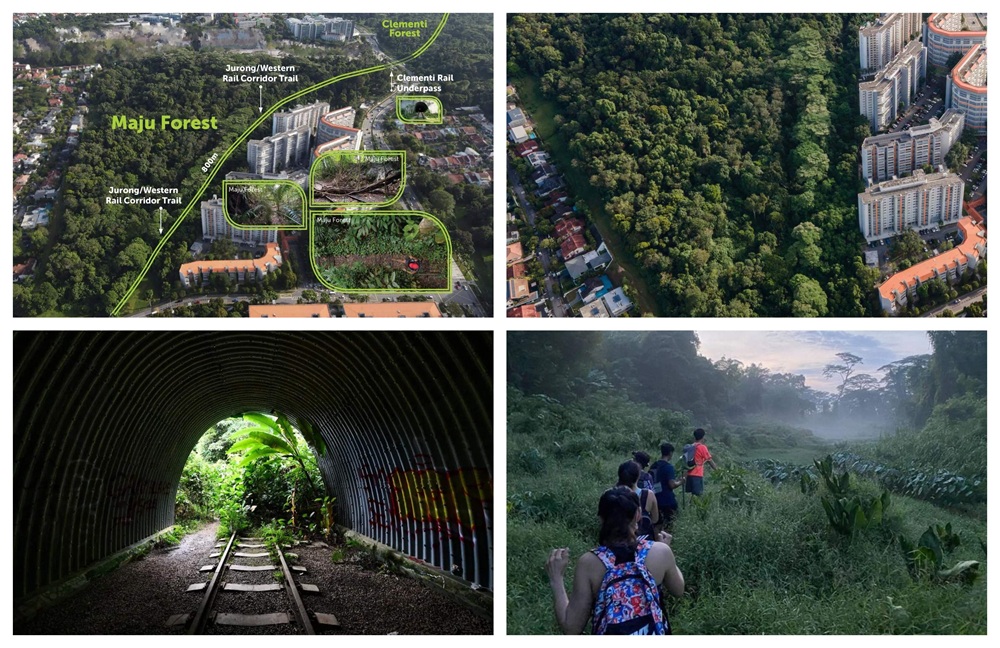
Although it’s not a nature reserve however, years of natural restoration have changed the landscape into a vital ecosystem that is home to a variety of species of animal and plant. The forest also shares a connection to Clementi Forest and the Rail Corridor and creates a greater wildlife network in the region.
What is Maju Forest important?
The forest is regarded as ecologically beneficial for many reasons.
- The home of 286 species of plants
- Habitat for 113 species of animals
- This natural stream is freshwater
- Serves as a corridor for wildlife connecting green spaces
- Helps absorb carbon dioxide
- Reduces urban temperatures
- Improves stormwater management in the heavy rains
Environmental groups believe these advantages are what make Maju Forest one of Singapore’s more important secondary forests.
Reason for HDB planning to expand Maju Forest
The the 10th of July, 2026 the Singapore’s Housing & Development Board (HDB) announced plans to:
- The land is being developed to the extent of 15 acres to create a housing estate for the public.
- Remains 8 Hectares in a protected habitat for wildlife
- Conserve the natural stream
- Research a potential nature trail that follows the Jurong Railway corridor.
According to HDB the area has been set aside as residential land since the Singapore’s 80th Master Plan. The agency claims that the project is designed to meet the high residential demand in the Clementi region, while including environmentally-friendly measures.
Why should conservationists be worried?
Many conservationists believe that the forests provide more than just open green space.
They have concerns about:
i) The loss of habitat for wildlife
ii) Invasion of ecological corridors
iii) Potential impact on endangered animal and plant species
iv) Long-term reduction in biodiversity
v) The increased pressure on neighboring forests
Nature groups believe that mature forests take years to regenerate and can’t be easily replaced after clearing.
Can visitors hike inside Maju Forest?
No. Maju Forest is not an official destination for hiking and doesn’t have trails that are designated for public use.
It is recommended that visitors avoid walking on unofficial trails, since the presence of wildlife could be a problem as well as damage the vegetation and cause soil erosion to increase.
Instead, visitors can enjoy the forests from the close roads or along through the Rail Corridor while taking in bird watching and nature watching.
Do people still have the right to give feedback?
Yes. HDB has clarified that the plan has been declared in the process of being finalized and is open to public feedback until the final decision is made.
Nature enthusiasts and residents of the area can also help conservation groups or take part in public consultation activities regarding the development plan.
FAQ
1. What is the reason Maju Forest trending in Singapore?
Maju Forest is trending because HDB plans to transform around 15 acres from the forests to create a residential estate that is a public housing project while leaving about 8 acres to conserve.
2. The location where is Maju Forest located?
It is situated close to Sunset Way, between Clementi Road and Brookvale Drive in the western part of Singapore.
3. Is Maju Forest a nature reserve?
No. It is an older secondary forest, but it’s not officially designated an official nature reserve.
4. Why are conservationists so keen to safeguard Maju Forest?
Since it is home to hundreds of animal and plant species, it functions as a corridor for wildlife, is a carbon storage facility, and is a major contributor to Singapore’s biodiversity.
5. Is it possible for the public to visit Maju Forest?
There aren’t any officially recognized hiking trails. Visitors are advised to take a stroll through the forest from areas around instead of taking unofficial paths.
Final Thoughts
The ongoing debate over Maju Forest is a prime example of one of Singapore’s major urban planning issues: addressing rising housing demands while also protecting important ecosystems of nature. As the discussions continue, the final outcome could affect how future developments are able to balance sustainable environmental preservation with urban development.